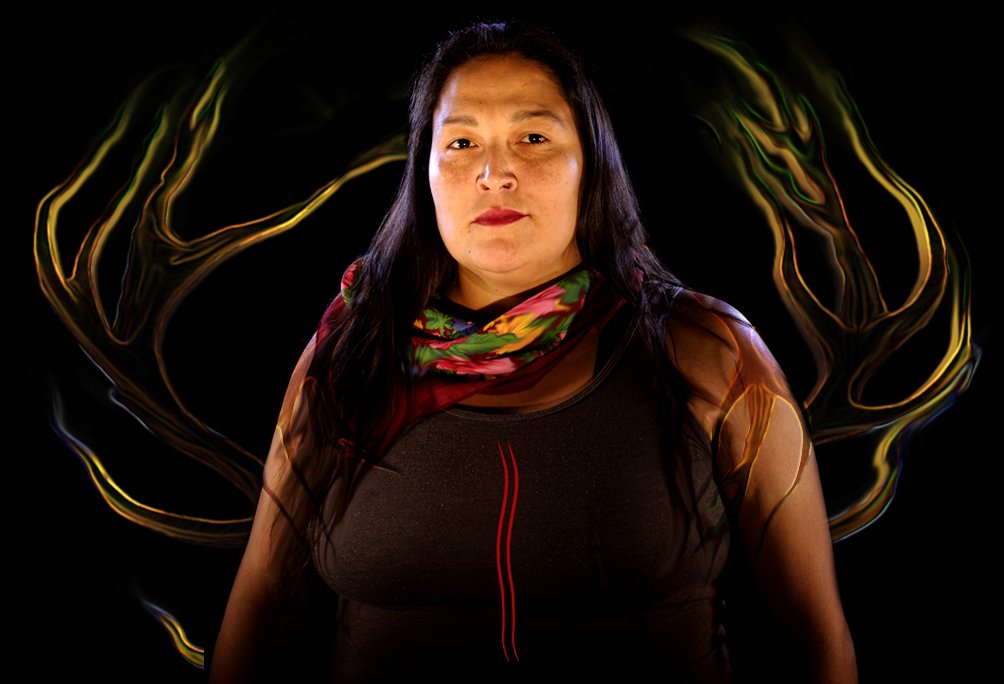
I’ve been working as a freelance journalist since 2015, across radio & podcasting, digital & print media, video production and live events. I produced and hosted He Kākano Ahau, an RNZ podcast series that won a Voyager Award in 2020. I’m a strong writer with a strong technical knowledge of media creation tools including the Adobe Suite. I worked for two years as a communications advisor at Te Taura Whiri i te Reo Māori, helping deliver and uplift one of Aotearoa’s most widely known and beloved brands. I’m bilingual with a strong cultural proficiency. I’m incredibly proud of the communities I’ve been able to celebrate through my work as a storyteller.
rnz: he kākano ahau
Producer and Director
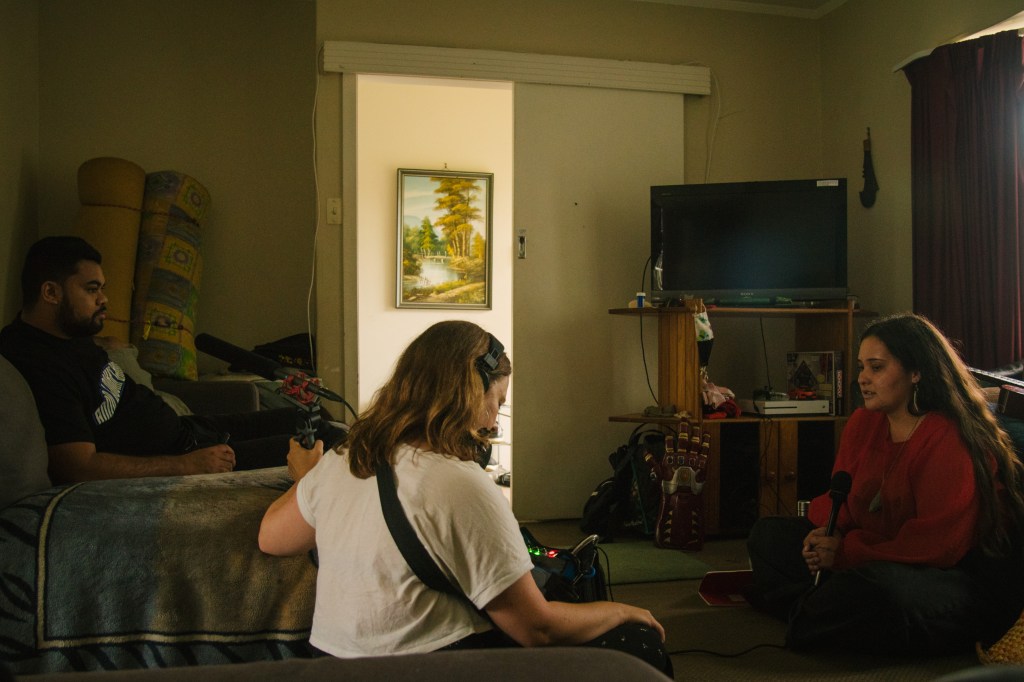
ngā taonga tuku iho
Producer and Director
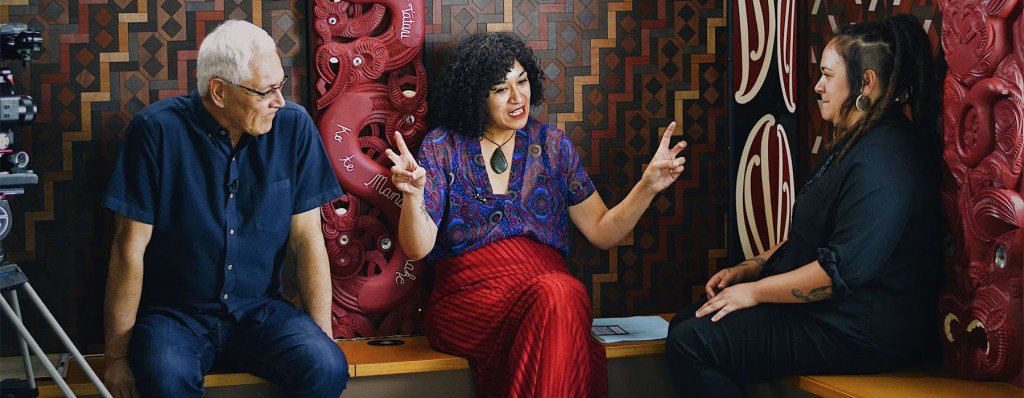
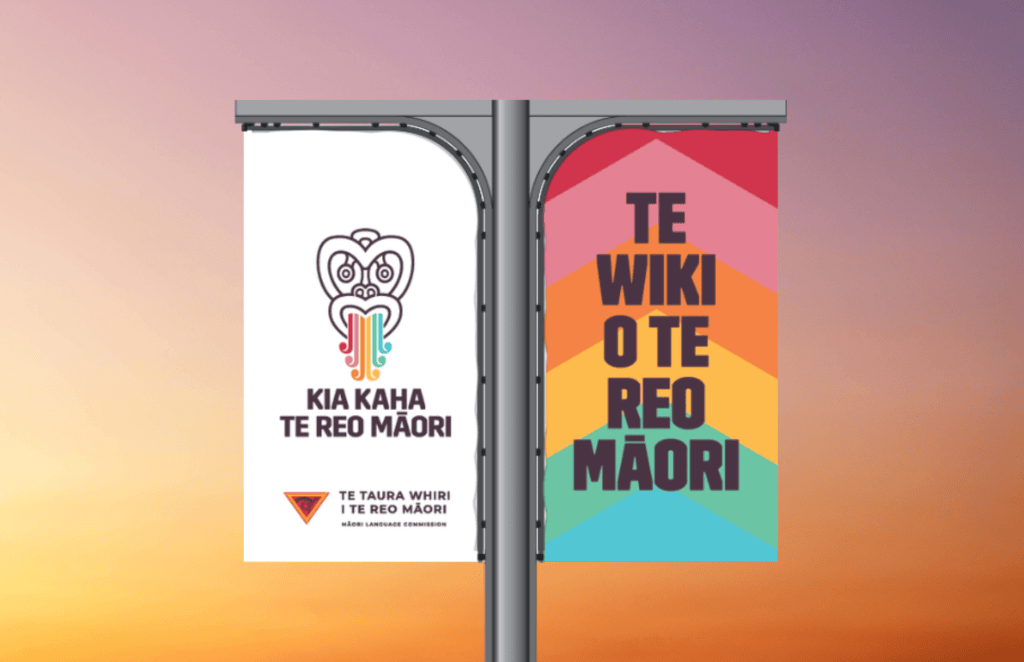
Te Wiki o te Reo Māori / maori lanuage week
Guest Editor at Re:News
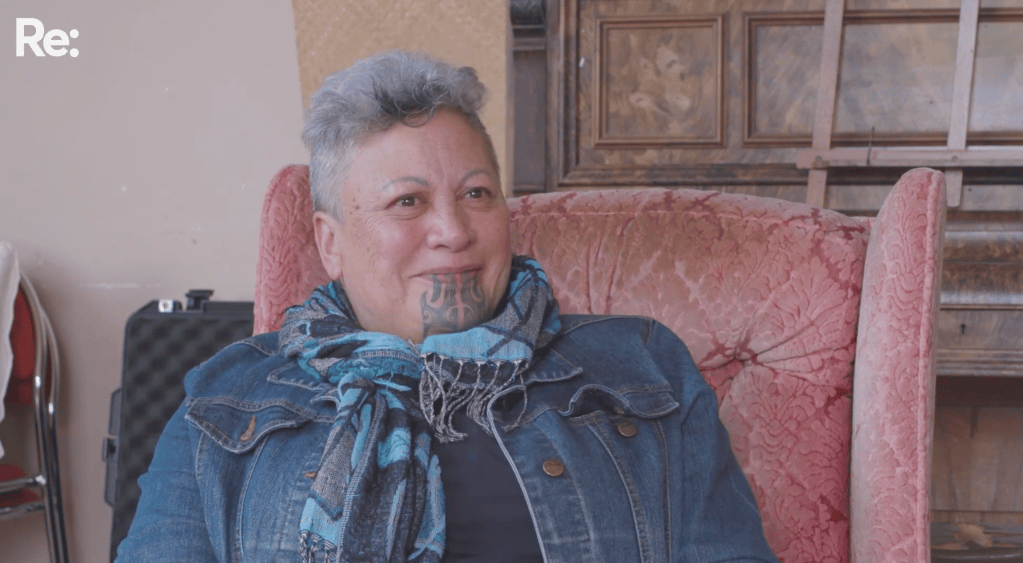
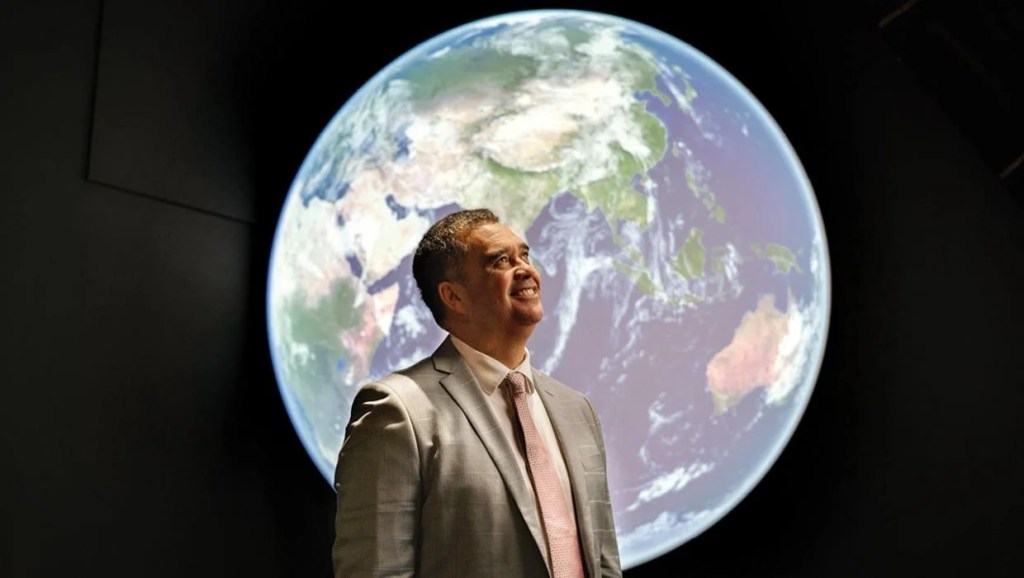
sunday profile: rangi mataamua
Writer at Sunday Magazine
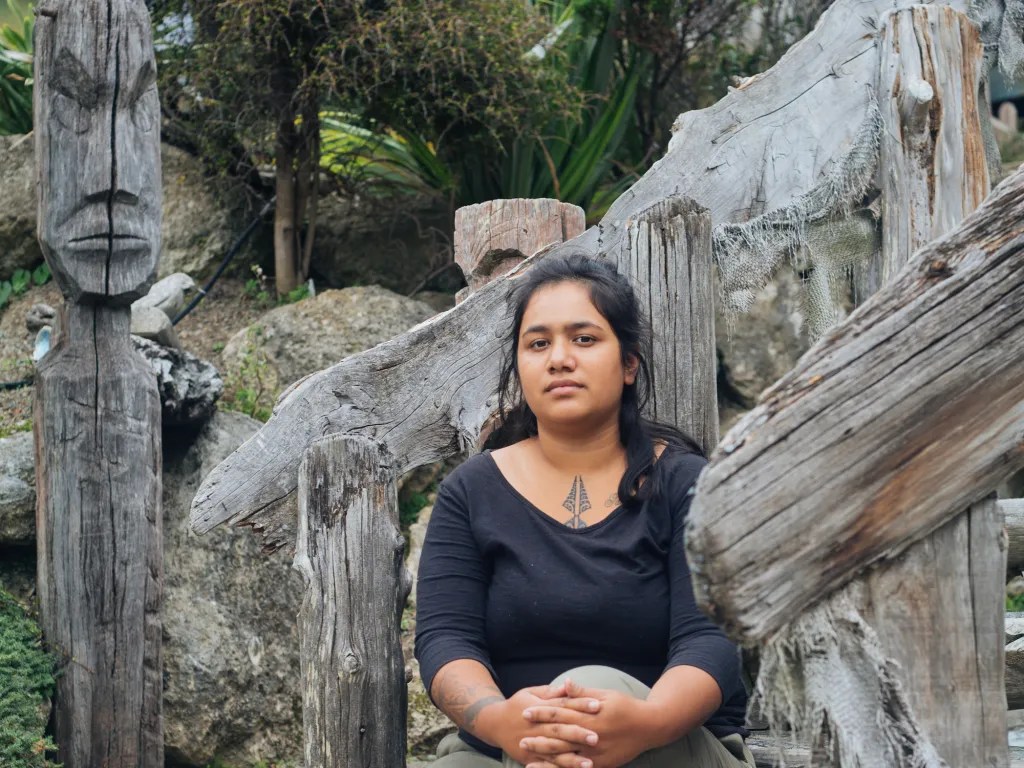
building a marae for gang members, wanderers…
Writer at Vice NZ
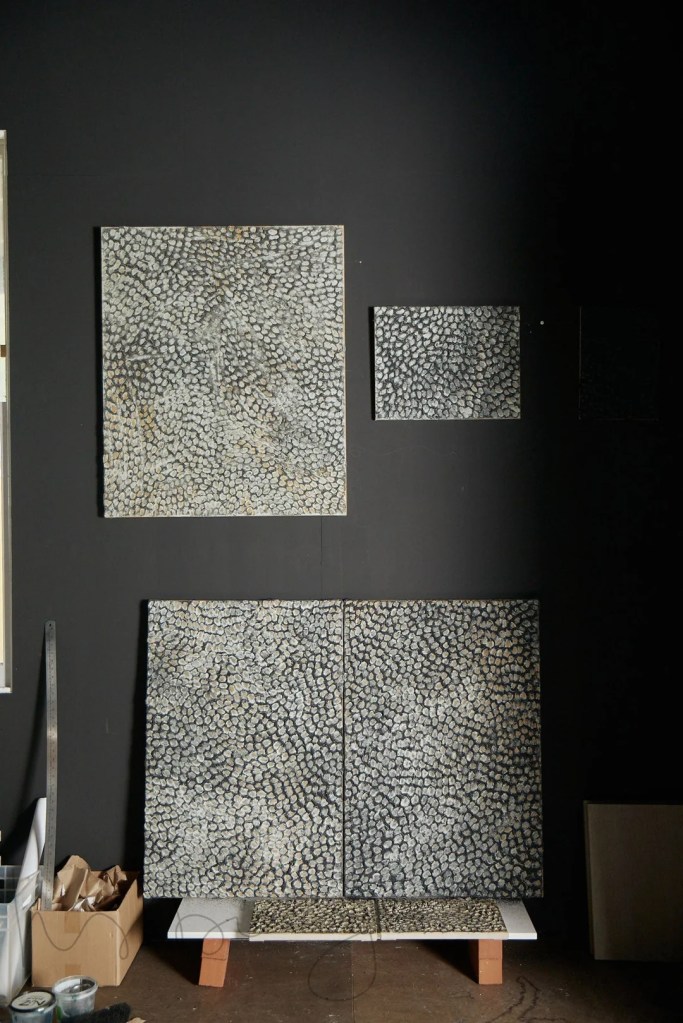
takoto ai te marino by raukura turei
Chapter Contributor
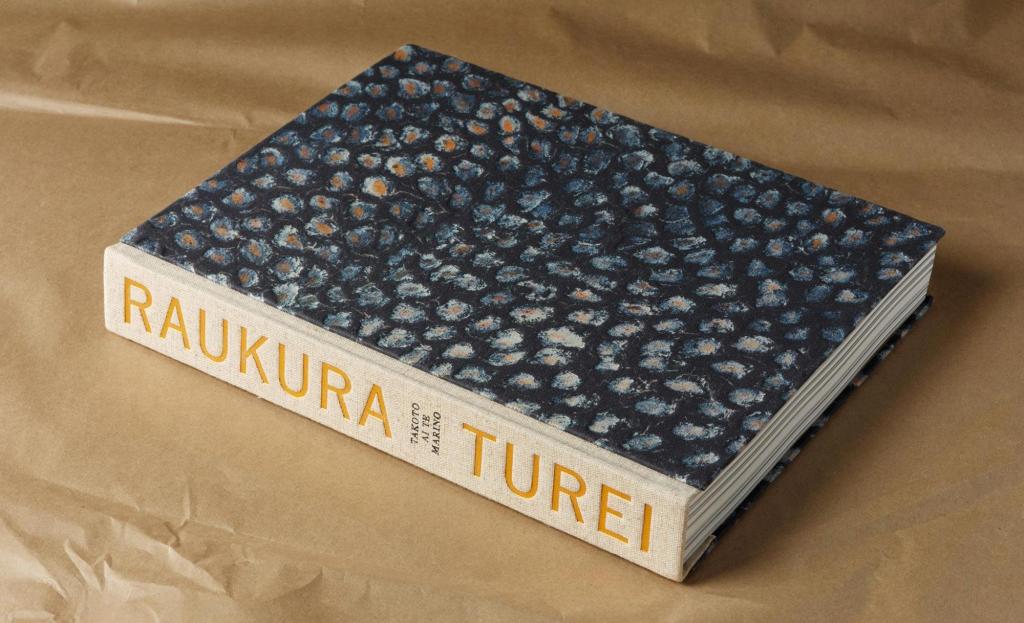
“There is a trajectory and clear development from early works by Raukura that depict the body. The prominent textural works for which Raukura has become widely known feel like an abstraction through the application of whenua and pattern. A lot of the ideas around motherhood, wahinetanga, whenua, connection, ritual and mundane rites come together in Raukura’s most recent collaborative moving image works UKURANGI and ŪKAIPŌ. I am grounded by the image of the māmā/artist and her pēpē – their bodies adorned in kōkōwai, and the seeping of waiū into the whenua and the skin. The image presented in these works feels like it is in conversation with the future – offering suggestions of hope and new growth. It also feels like it is speaking to matriarchal lineages in Raukura’s whakapapa in a way that is perhaps relatable for all wāhine Māori. I see you, I hear you, we’re not so different. And we survived.”
-Kahu Kutia in Takoto Ai Te Marino
build your own whare
Writer at The Pantograph Punch
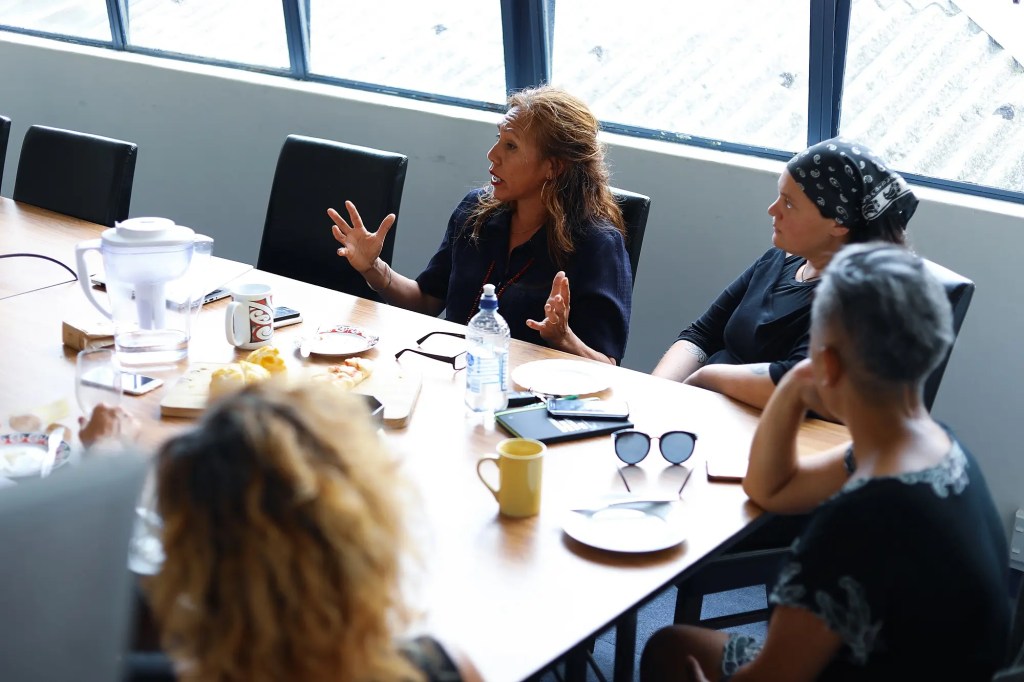
mana whenua in the city
Writer at The Spin Off
on kaitiakitanga
Writer at Yu Mei
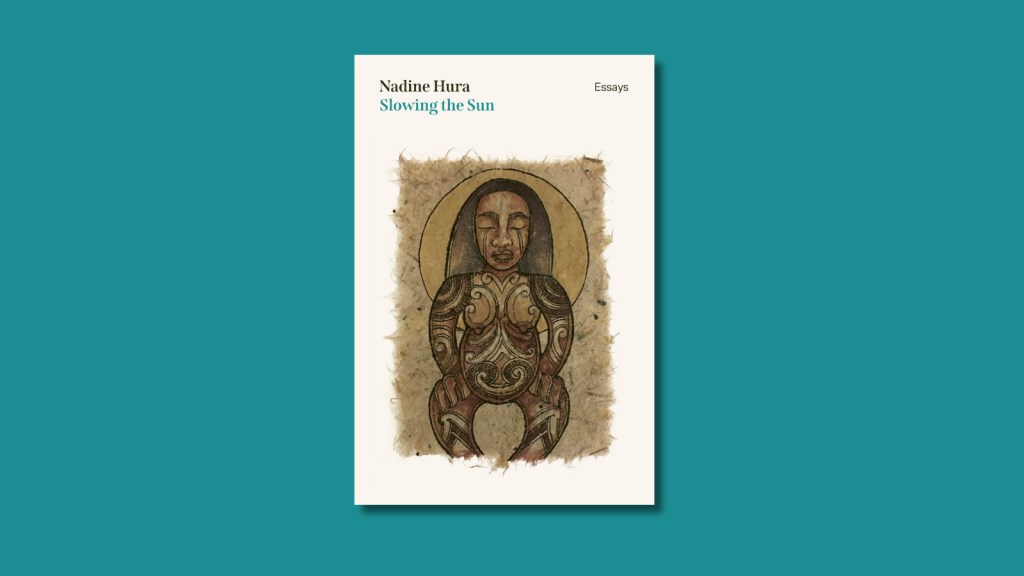
slowing the sun
Reviewer at Bad Apple
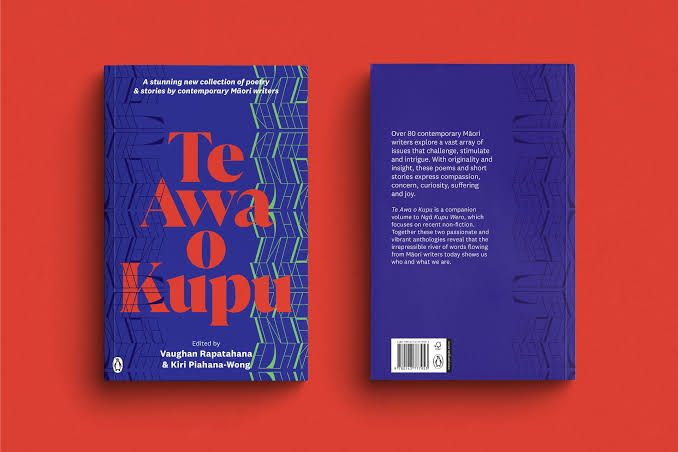
te awa o kupu
(penguin books)
Chapter Contributor
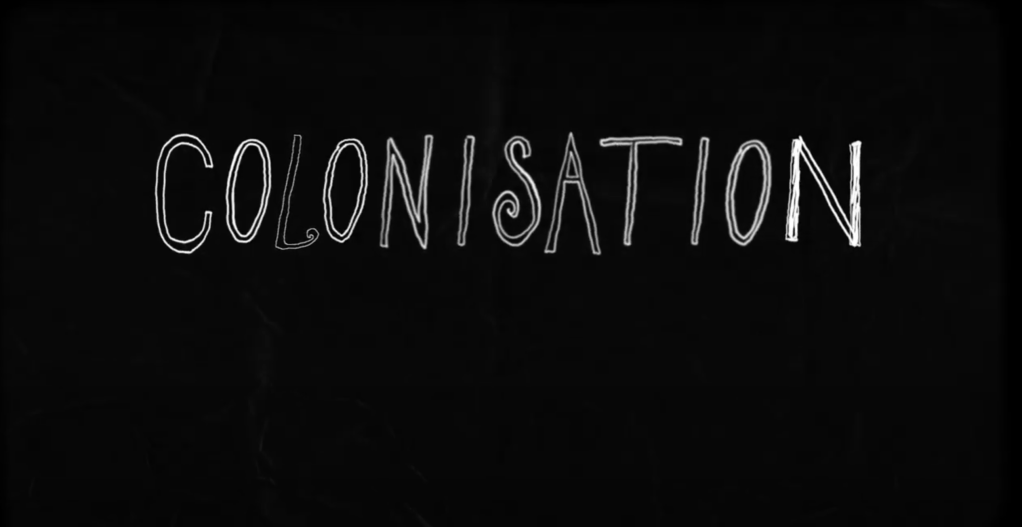
what’s decolonisation? (video)
Writer at RNZ
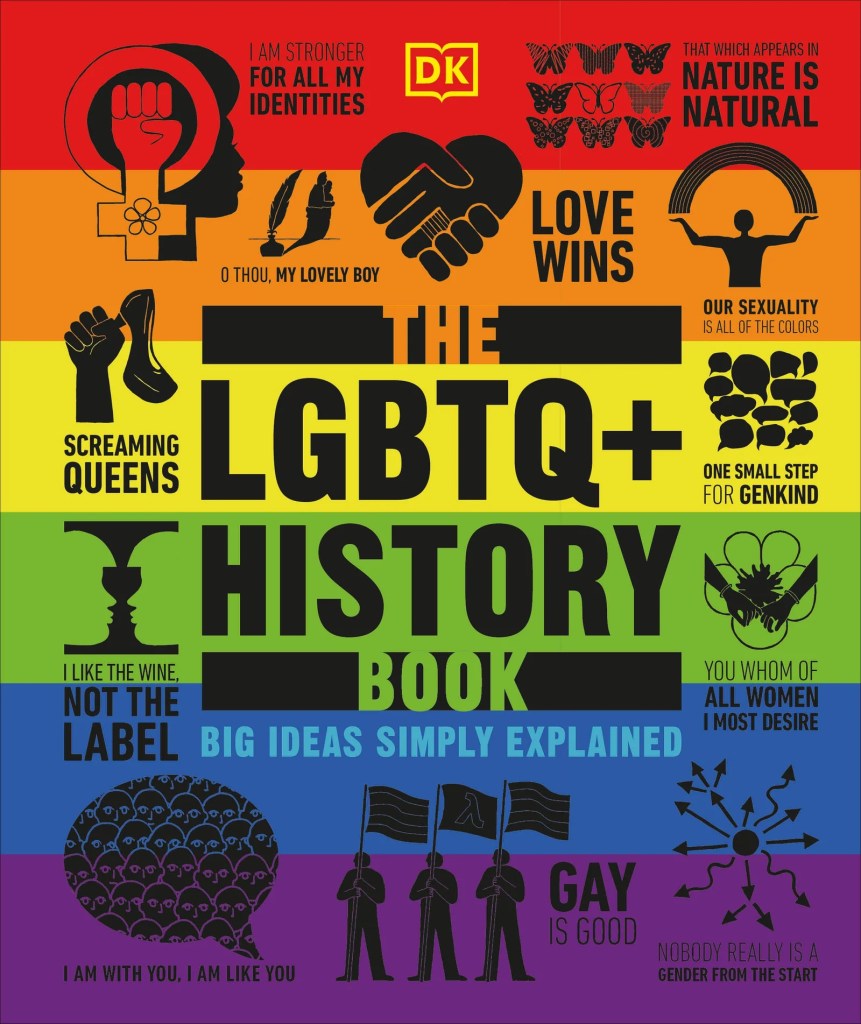
dk: the lgbtq+ history
book
Chapter Contributor
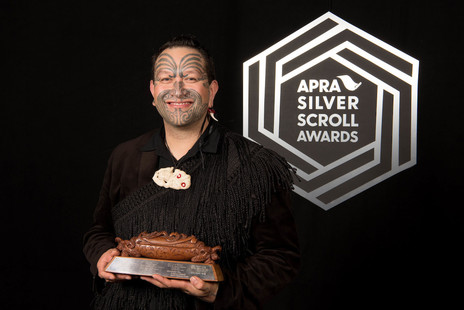
profile:
rob ruha
Writer at Audioculture
“Te Haukāinga continues the legacy of The Depot, Taki Rua’s original theatre space on Alpha Street, just off Courtenay Place. In the 1980s and 1990s, The Taki Rua Depot was home to Wellington’s Māori and Pacific theatre scene, as well as the city’s dance, and Gay and Lesbian theatre, communities. Even Fat Freddy’s Drop had some of their first rehearsals there. The Taki Rua Depot closed in 1997 and Taki Rua became an independent production company, leaving the Māori and Pacific theatre communities without a place to hold their mahi that was their own.”
-Kahu Kutia in Build Your Own Whare: The Voices of Te Haukāinga
ngahere:many connections
Producer and Director at Salient
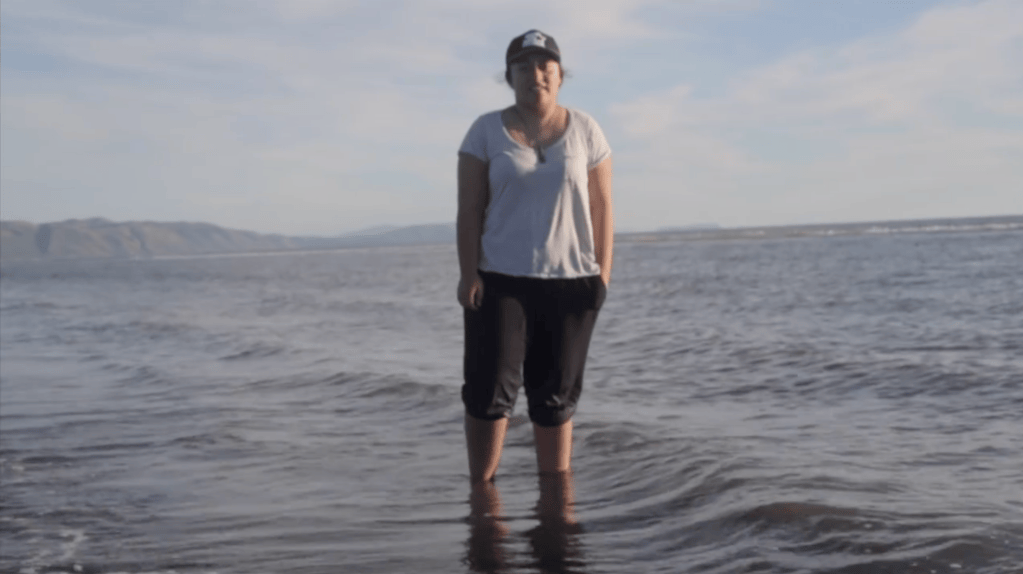
oceanic stories
Writer at RNZ
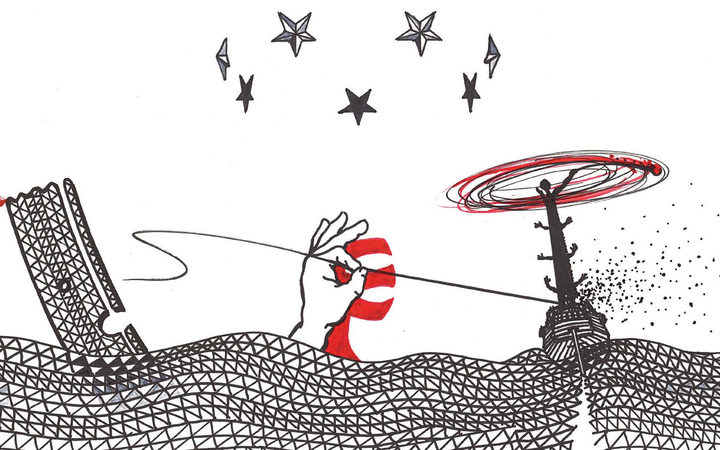
Duality
Voice Over Artist at Tahi
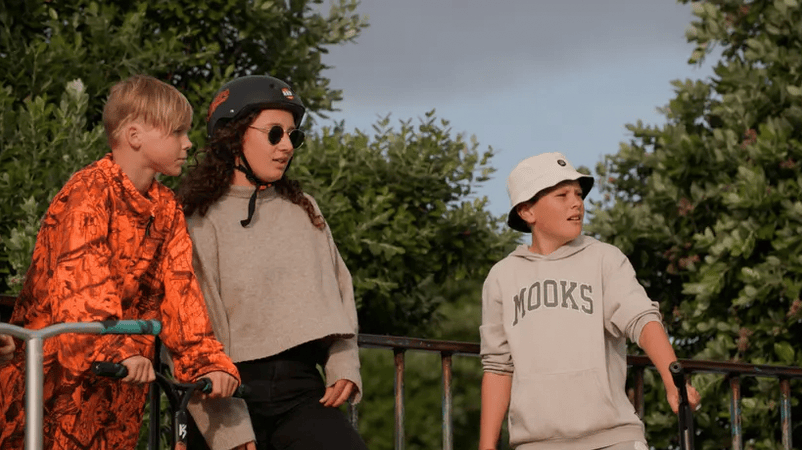
the kōrero about pukepoto
Writer at Kauae Raro
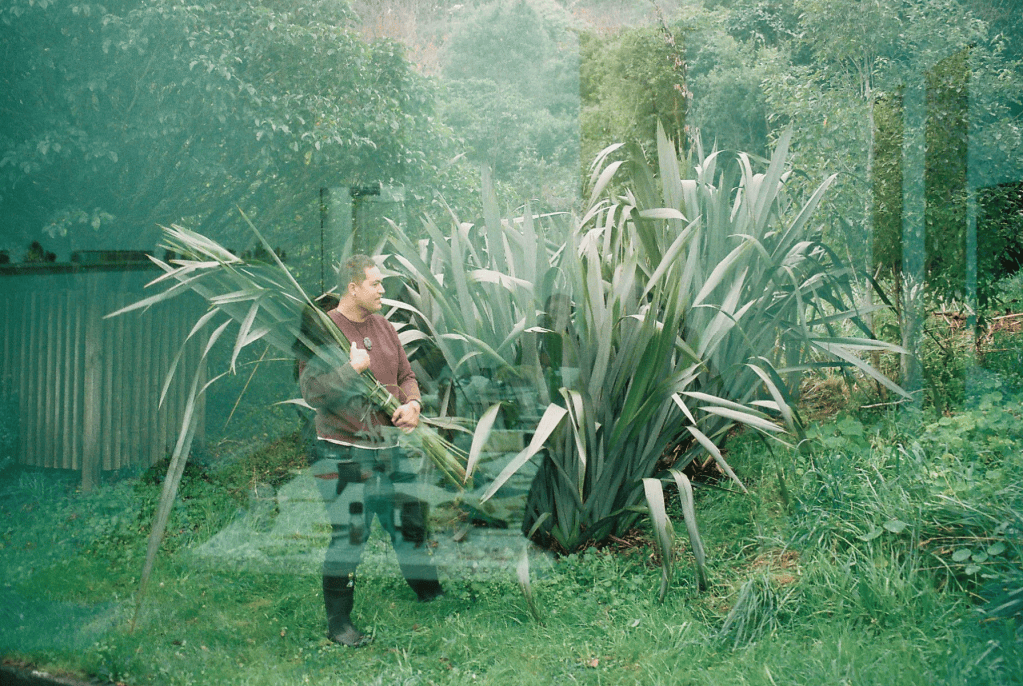
from te moana nui a kiwa and beyond
Writer at The Pantograph Punch
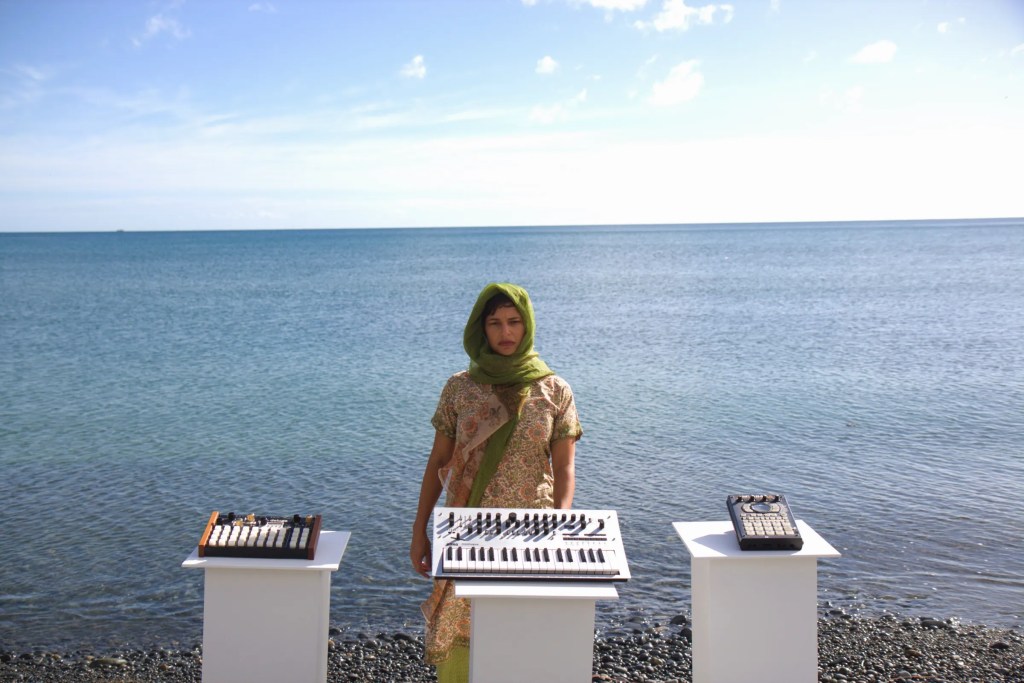
six people on their hopes for te reo māori
Guest Editor and Writer at Re:News
te taura whiri i te reo Māori
Communications Advisor (2 years)
review: deer woman at kia mau festival
Reviewer at Theatre Review NZ